Secondary School · Grade 7 · Ages 12–13
Products, Prices and the Mind
Financial products and inflation
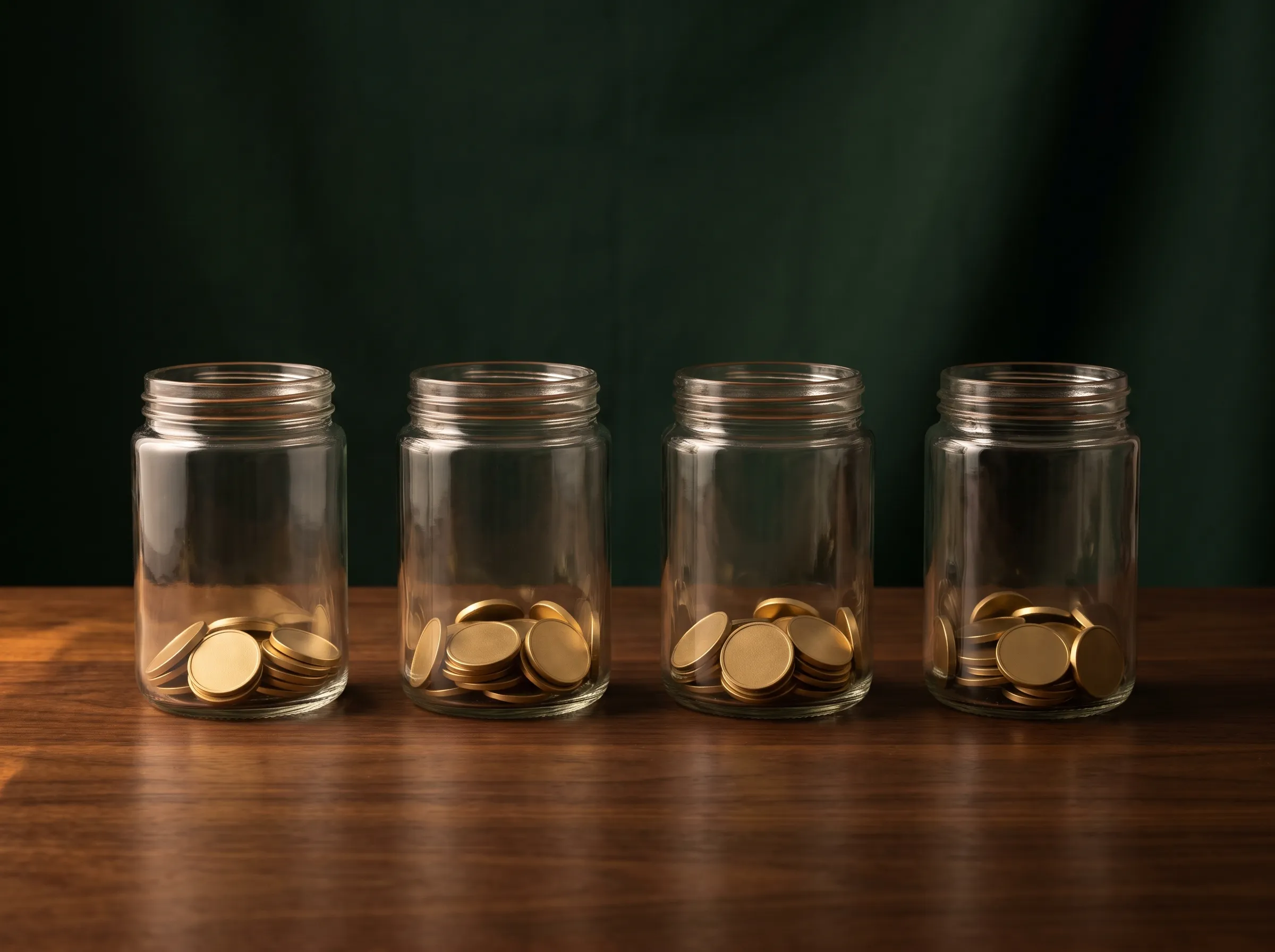
Grade 7 opens the real economy. Students stop asking "which jar?" and start asking the adult question: where should a saved coin live — and what does each home for it quietly cost? Savings accounts, funds and bonds are put side by side and compared like products on a shelf.
The year in depth
Then the year turns the lens inward. Inflation gets computed, not just mentioned: what a fixed amount actually buys after a year of rising prices. Opportunity cost is formalised from the intuition built in Grade 5. And students meet the most important financial instrument they own — their own brain — cataloguing the biases that make waiting hard and adverts effective.
What your students learn
- Compare real financial products — savings, funds, bonds — by return, risk and cost
- Compute what inflation does to money that just sits
- Explain opportunity cost precisely, with their own examples
- Name the behavioural biases working on them — and catch one in the act
For the teacher
Teacher-led classroom unit: session plans, comparison activities and written checks — designed for social-science or advisory hours, no devices required.